
Fence Repair in Colorado Springs: Common Problems Homeowners Face
If your fence is leaning, rotting, shifting, or starting to pull apart, you are not alone. Colorado Springs homeowners deal with a mix of wind, sun exposure, freeze-thaw cycles, and shifting soil that can all take a toll on residential fencing over time.
At New View Fence Co., we help homeowners with fence installation in Colorado Springs, repairs, and replacements built for local conditions. If your fence is showing signs of wear, understanding the most common problems can help you decide whether a repair makes sense or whether it is time for a larger upgrade.
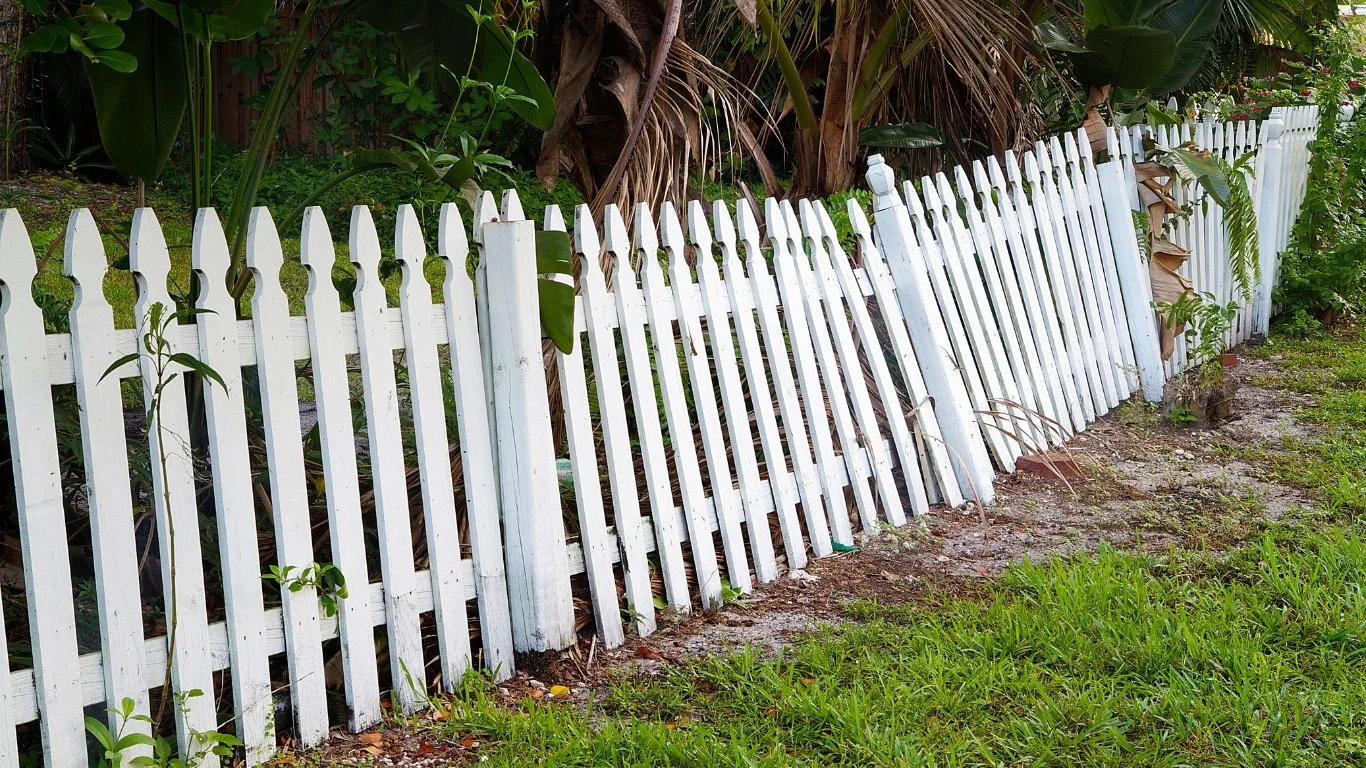
Why Fence Problems Are So Common in Colorado Springs
Residential fences in Colorado Springs go through a lot throughout the year. Between seasonal weather swings, expanding and contracting soil, and strong wind exposure in open areas, even a well-built fence can eventually need attention.
For homeowners planning repairs or larger projects, local permitting and code information can usually be reviewed through the Pikes Peak Regional Building Department and the City of Colorado Springs Planning page.
1. Leaning Fence Posts
One of the most common problems homeowners notice is a fence that starts to lean.
This often happens because:
soil has shifted
moisture has weakened the footing
posts were not set deep enough
age and weather have reduced stability
A leaning fence may start as a cosmetic issue, but it can quickly turn into a structural problem. In many cases, a section can be repaired by resetting or reinforcing the affected posts. If damage is more widespread, it may make sense to explore a full wood fencing or vinyl fencing replacement depending on the material and age of the fence.
2. Warped, Cracked, or Rotting Wood
Wood fencing remains a popular choice for privacy and curb appeal, but it can also be vulnerable to moisture, sun, and age.
Common signs include:
cracked pickets
warped boards
soft or rotting sections near the base
loose rails
If the damage is isolated, replacing a few boards may be enough. If the structure is beginning to fail in multiple places, homeowners often find that a broader repair or replacement is the better long-term investment. If you are comparing options, our wood fencing and vinyl fencing pages can help you weigh maintenance needs and durability.
3. Loose or Sagging Gates
Fence gates are used more than any other part of the system, so they are often the first area to show wear.
A gate may start to sag or drag because:
hinges have loosened
the post has shifted
the frame has warped
hardware has worn down
A sagging gate can be frustrating day to day, but it can also put additional strain on the rest of the fence line. Repairing gate hardware early can help prevent bigger issues later.
4. Broken or Bent Chain Link Sections
For homeowners with chain link fencing, damage often shows up as bent rails, loose mesh, or posts that have shifted out of alignment.
This can happen from:
storm damage
impact from equipment or vehicles
age and general wear
soil movement
Chain link is durable, but when one section becomes damaged, it can affect the overall strength and appearance of the fence. In many cases, targeted repairs are enough to restore function without replacing the full system.
Industry organizations like the American Fence Association are useful references for fence and gate best practices and standards.
5. Rust or Corrosion on Metal Fencing
Metal and ornamental fences can last a long time, but they still require maintenance.
Homeowners may notice:
surface rust
peeling paint or coating
weakened joints
corrosion around fasteners or weld points
These issues are especially important to address early because small areas of rust can spread. If you have decorative metal fencing, our ornamental iron fencing page is a good place to start if you are considering repair versus replacement.
6. Fence Damage After Winter Weather
Winter can be especially hard on fences in Colorado Springs. Snow, ice, moisture, and repeated freeze-thaw cycles can all affect fence stability and materials over time.
That is one reason spring is such an important time for homeowners to inspect their fencing for:
leaning posts
cracked boards
loose hardware
rusting metal components
shifting sections
For broader property and land-use guidance in Colorado, homeowners can also reference Colorado State University Extension.
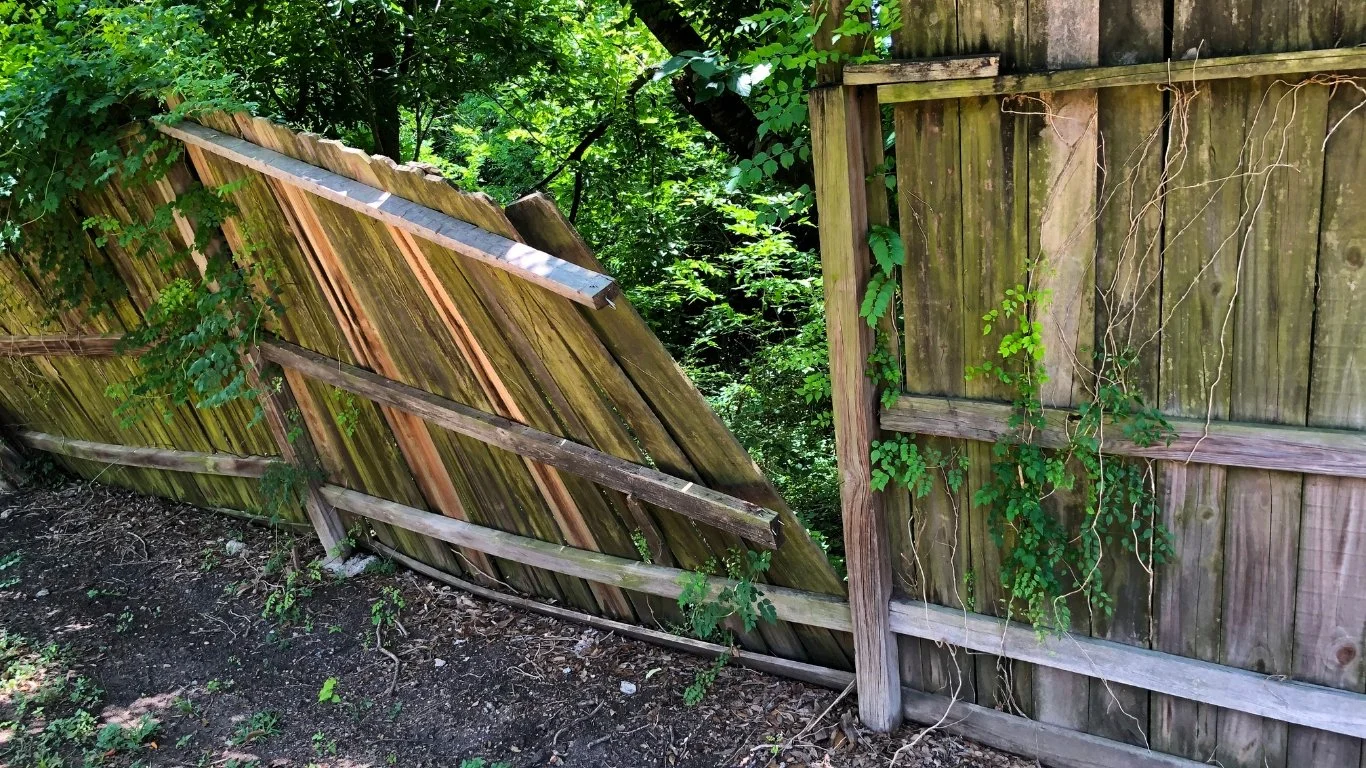
When a Fence Repair Shouldn’t Wait
Putting off fence repairs can create bigger issues over time. A damaged fence can affect privacy, security, curb appeal, and in some cases even safety.
For homeowners with pets, children, or shared property lines, delaying repairs can make the problem more urgent. If the fence is unstable or has sharp, exposed, or damaged sections, it is smart to address the issue sooner rather than later.
The Occupational Safety and Health Administration is primarily focused on workplace safety, but its broader emphasis on maintaining safe environments is a helpful reminder that damaged barriers and structures should not be ignored.
Repair vs. Replacement: How to Decide
A repair may be the right choice when:
damage is limited to one area
the fence is still structurally sound overall
the material still has useful life left
A replacement may be the better option when:
multiple posts are failing
rot, rust, or damage is widespread
the fence no longer meets your needs for privacy, security, or appearance
If you are unsure, New View Fence Co. can help assess the condition of your existing fence and recommend the most practical next step. In some cases, homeowners start with a repair and later decide to move forward with a full fence installation in Colorado Springs.
What to Do if You Notice Fence Damage
If you think your fence may need attention, a few early steps can help:
walk the full fence line and look for leaning, cracking, or shifting
inspect gates and hardware for sagging or looseness
check the base of posts for signs of rot or instability
make note of areas that may have been affected by winter or wind
Small issues are usually easier and more affordable to address before they spread.
Fence Repair Help in Colorado Springs
Whether you need help with aging wood panels, damaged chain link fencing, gate issues, or a fence that has started to lean, New View Fence Co. is here to help.
We proudly serve homeowners looking for fence installation in Colorado Springs, as well as fencing support in nearby areas like Fountain, Monument, and Peyton.
If your current fence is no longer doing its job, contact us to schedule an estimate and get expert guidance on the best next step for your property.
