
Winter Fence Damage in Colorado: What Businesses Should Know Before Spring
Colorado’s winters are tough on everything outdoors—but commercial fencing takes an especially heavy hit. Snow, ice, wind, freezing temperatures, and repeated freeze–thaw cycles can gradually weaken both the structure and stability of a fence. For businesses, that can mean increased security risks, unexpected repair costs, and operational downtime once warmer weather arrives.
Understanding how winter damages fencing—and what signs to look for—helps property managers stay ahead of costly spring repairs.
How Colorado Winters Affect Commercial Fencing
Colorado’s climate creates a unique set of challenges. Even the highest-quality materials can degrade when exposed to months of harsh winter conditions.
1. Freeze–Thaw Expansion
Moisture seeps into tiny cracks and freezes overnight. As it expands, it widens those gaps, causing:
Warping
Loose posts
Structural shifting
Cracked or separated fence panels
This is one of the most common causes of spring fence failures.
2. Heavy Snow Load
Snow and ice buildup can place hundreds of extra pounds of weight on a fence.
Wood, chain link, and steel fences can all sag or lean under the pressure—especially in commercial areas with long fence spans.
3. High Winter Wind Stress
The Front Range is known for strong winter wind gusts, which place constant pressure on long fence spans—especially chain link and security fencing. Over time, high winds can loosen posts, bow fencing panels, and weaken connection points, increasing the risk of failure once snow and ice are added.
Commercial properties with open layouts, industrial yards, and large perimeters are especially vulnerable to wind-related fence damage.
4. Ground Movement
Frozen ground expands, pushing posts upward. When it thaws, posts often settle unevenly—resulting in leaning sections and compromised stability.
Signs Your Commercial Fence Has Winter Damage
Business owners and property managers should check for these common red flags:
Leaning or shifting fence sections
Loose or unstable posts
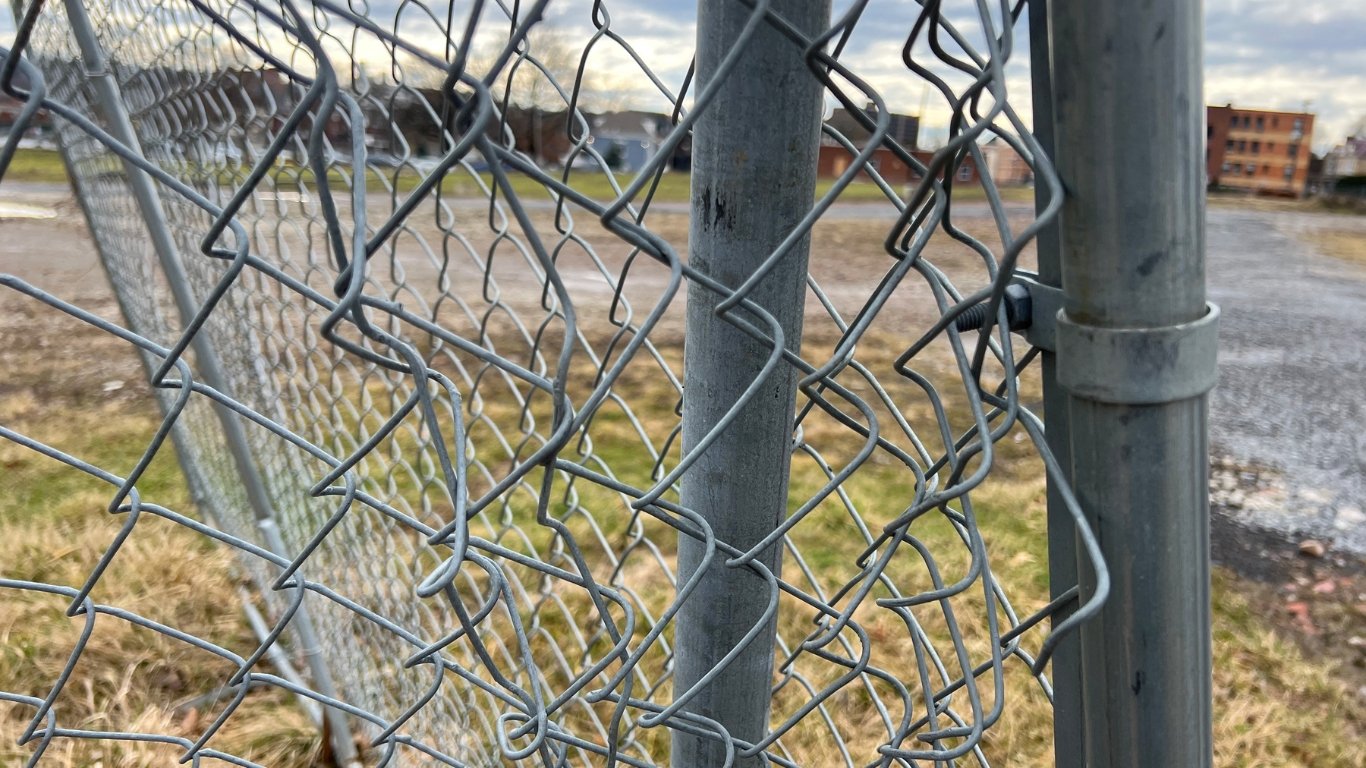
Sagging chain link mesh
Cracked, rotting, or splitting wood
Gaps forming between panels
Bent rails or damaged hardware
Rust developing on metal components
Even small issues can worsen quickly when temperatures thaw and refreeze repeatedly.
Why Commercial Properties Experience More Fence Damage
Commercial fences often span larger areas and face more environmental exposure than residential fencing. Add in security requirements, high traffic, and heavier daily wear, and winter damage becomes a more serious risk.
This is why early detection and prompt repairs matter—your fence often plays a key role in protecting your business.
Why January Is the Best Time for a Fence Inspection
A winter inspection helps you:
Catch damage before it spreads
Prevent spring security vulnerabilities
Avoid peak-season repair delays
Reduce long-term replacement costs
Plan for commercial upgrades before weather warms up
If your business relies on perimeter security, waiting until spring may put your property at risk.
When to Repair vs. Replace a Commercial Fence
Repair Is Usually Best When:
Only a few posts or sections are damaged
Panels are leaning but not severely warped
Small cracks or structural gaps are present
Chain link mesh has mild bending
Replacement Is Best When:
Large portions of the fence are unstable
Rot or rust is widespread
Freeze–thaw cycles have caused severe warping
Security needs have increased
Prepare for Spring with New View Fence Company
New View Fence Company provides commercial-grade repair and installation services across Colorado Springs and the Front Range. Whether you need a quick winter repair or are planning ahead for spring upgrades, our team is here to help.
Ready to prepare your property for the spring season?
Request a winter inspection or commercial estimate today.
