
Commercial vs. Residential Fencing: What Colorado Property Owners Should Know
Fencing plays an important role in both homes and businesses, but the needs of each property type are far from the same. While residential fencing often prioritizes privacy and aesthetics, commercial fencing must deliver security, durability, and long-term performance—especially in Colorado’s unpredictable climate.
Whether you manage a business, an industrial site, or a multi-family community, understanding these differences helps you choose the right solution for your property.
The Main Differences Between Commercial and Residential Fencing
1. Purpose & Function
Residential fencing typically serves to:
Provide privacy
Define property boundaries
Enhance curb appeal
Keep children and pets safe
Commercial fencing, on the other hand, is designed to:
Increase security
Control access
Protect inventory and equipment
Meet industry or municipal requirements
Support high-traffic environments
For businesses, fencing is often part of an overall security strategy.
2. Material Strength & Durability
Commercial fencing materials are manufactured to withstand:
Heavy use
Harsh weather
Impact or attempted forced entry
Long-term wear
Common commercial-grade materials include:
Heavy-gauge chain link
Industrial steel or aluminum
High-strength privacy systems
Anti-climb or security fencing
Residential materials—such as wood, vinyl, or lighter-gauge metal—are typically not built to meet commercial performance standards.
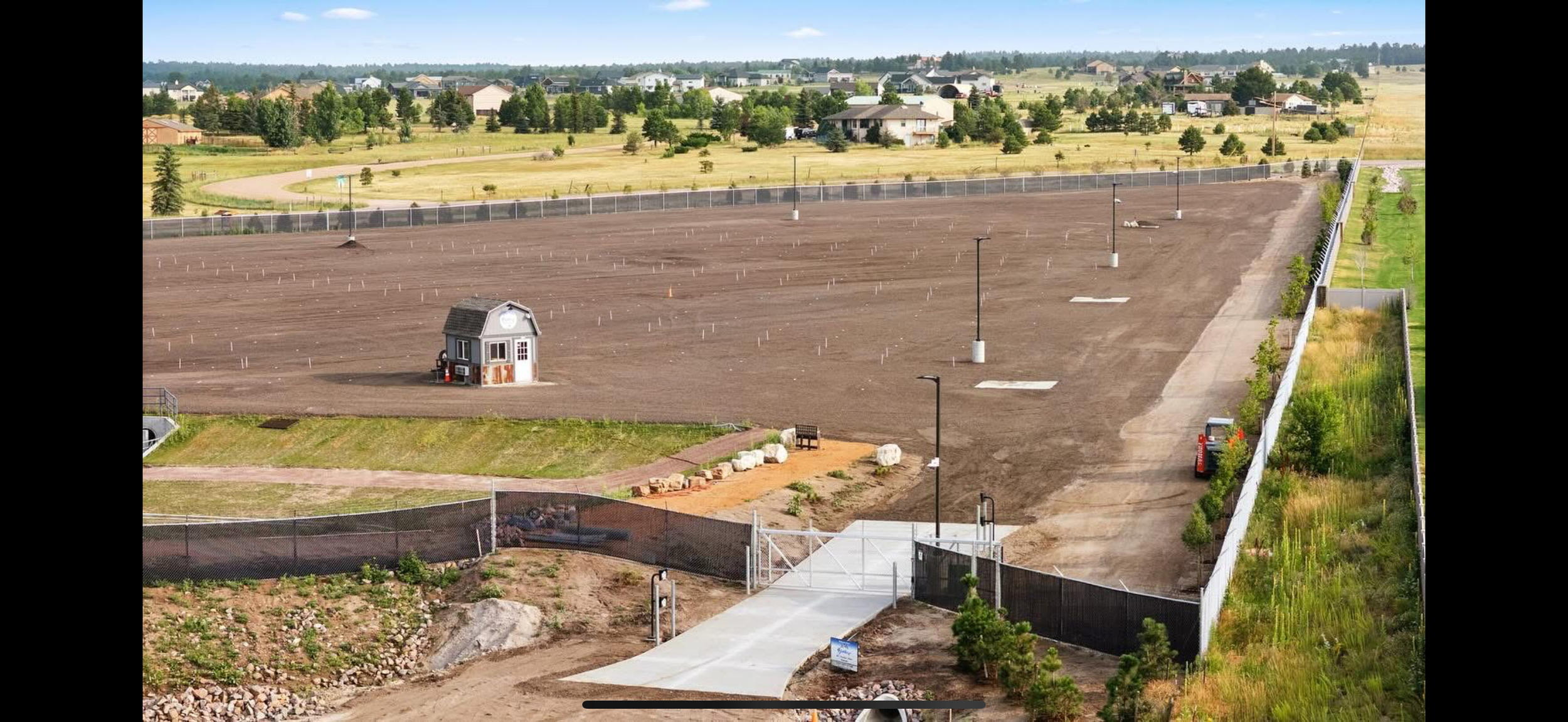
3. Height & Structural Requirements
Commercial fences are usually taller and more reinforced. Businesses often require:
6–10 ft security fences
Barbed wire or razor wire
Reinforced posts
Wider spans for industrial lots
Residential fencing is usually 4–6 ft and simpler in design.
4. Compliance & Regulations
Commercial properties must often meet additional requirements, such as:
Visibility standards
Access gate specifications
Safety codes
HOA, municipal, or industry-specific regulations
Residential projects rarely involve the same level of compliance.
5. Security Features
Businesses may need specialized security enhancements such as:
Anti-climb fencing
Access-controlled gates
Privacy slats for chain link fencing
High-strength welded wire systems
Homes rarely require this level of protection.
When a Colorado Business Should Choose Commercial-Grade Fencing
Commercial fencing is worth the investment when your property needs:
Stronger perimeter protection
Clear boundaries for public vs restricted access
Durability that can withstand commercial workloads
Long-term performance in unpredictable weather
Enhanced privacy for operations or storage areas
This applies to warehouses, retail centers, auto lots, industrial sites, HOAs, and multi-family communities throughout Colorado Springs.
Examples of Commercial Properties That Benefit Most
Commercial fencing is ideal for:
Distribution yards and warehouses
Office buildings
Retail centers and shopping plazas
Storage lots and parking areas
Multi-family housing (HOAs, apartments)
Schools and municipal properties
Auto dealerships
Hospitality and lodging
If your property manages people, inventory, or sensitive operations, a commercial fence provides essential protection.
Choosing Between Commercial and Residential Fencing
Still deciding what your property needs? A professional assessment can help you determine:
The level of security required
The lifespan and maintenance expectations
Appropriate material strengths
The best layout for your property
Whether upgrades or reinforcements are needed
Strengthen Your Property with New View Fence Company
As a trusted fence contractor in Colorado Springs, we help businesses choose the right material, structure, and installation method for long-term results. If you're considering upgrading your property, now is the ideal time to start planning before spring installation schedules fill.
Ready to strengthen your property with a commercial-grade fence?
Schedule a consultation to discuss your needs and explore the best solutions for your business.
